
How the solenoid valve works
The working principle of the solenoid valve is based on electromagnetic induction and magnetic control. It consists of a coil and a magnet.
When the solenoid valve is energized, the current flowing through the coil creates a magnetic field. This magnetic field attracts the magnet, causing it to move. The moving magnet causes displacement of the piston or spool within the valve body, changing the open or closed state of the fluid passage.
Specifically, when the solenoid valve is energized, the current in the coil creates a magnetic field that causes the magnet to be attracted, moving the spool or piston in one direction. In this way, the fluid channel is opened, allowing fluid to pass through. Conversely, when the solenoid valve is powered off, the magnet loses its magnetism, and the spool or piston returns to the initial position, closing the fluid passage.
Through the control of the current, the opening and closing state of the solenoid valve can be controlled, so as to realize the control of the fluid. Solenoid valves are generally used in a wide variety of fields, including the automotive industry, air conditioning, compressed air systems, water treatment systems, etc.
Different types of engine solenoid valves
The different types of engine solenoid valves are the following common types:
- Valve solenoid valve (Intake/Exhaust Valve Solenoids): The valve solenoid valve controls the opening and closing of the intake valve and exhaust valve of the engine. According to the working state of the engine, they control the opening and closing time of the valve through the switch to control the cylinder intake and exhaust process in the combustion chamber.
- Fuel Injector Solenoids (Fuel Injector Solenoids): The fuel injector solenoid valve controls the opening and closing of the engine fuel injector. According to the instructions of the engine control unit (ECU), they control the opening timing and injection quantity of the injector through the current to realize the injection and mixing of fuel.
- Variable valve timing solenoid valve (Variable Valve Timing Solenoids): The variable valve timing solenoid valve controls the timing adjustment of the engine valve mechanism. They optimize combustion efficiency and power output by adjusting the opening and closing times of the intake and exhaust valves in response to changes in engine load and rpm.
- Turbocharger control solenoid valve (Turbocharger Control Solenoids): The turbocharger control solenoid valve is used to control the working state of the turbocharger. They control the pressure output of the turbocharger by adjusting the turbocharger’s turbine geometry (such as variable guide vanes) or valve opening time to optimize the turbocharger system.
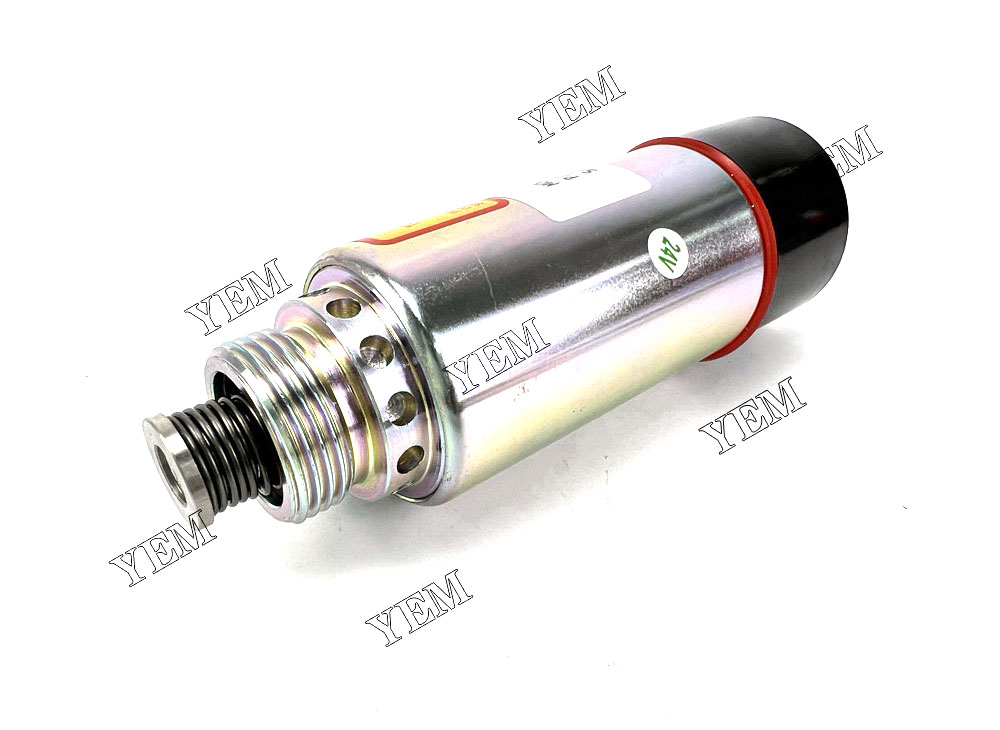
These different types of solenoid valves play an important role in engine work, and through precise control, improve combustion efficiency, power output and fuel economy.
Solenoid valve failure and repair
The different types of engine solenoid valves are the following common types:
- Valve solenoid valve (Intake/Exhaust Valve Solenoids): The valve solenoid valve controls the opening and closing of the intake valve and exhaust valve of the engine. According to the working state of the engine, they control the opening and closing time of the valve through the switch to control the cylinder intake and exhaust process in the combustion chamber.
- Fuel Injector Solenoids (Fuel Injector Solenoids): The fuel injector solenoid valve controls the opening and closing of the engine fuel injector. According to the instructions of the engine control unit (ECU), they control the opening timing and injection quantity of the injector through the current to realize the injection and mixing of fuel.
- Variable valve timing solenoid valve (Variable Valve Timing Solenoids): The variable valve timing solenoid valve controls the timing adjustment of the engine valve mechanism. They optimize combustion efficiency and power output by adjusting the opening and closing times of the intake and exhaust valves in response to changes in engine load and rpm.
- Turbocharger control solenoid valve (Turbocharger Control Solenoids): The turbocharger control solenoid valve is used to control the working state of the turbocharger. They control the pressure output of the turbocharger by adjusting the turbocharger’s turbine geometry (such as variable guide vanes) or valve opening time to optimize the turbocharger system.
These different types of solenoid valves play an important role in engine work, and through precise control, improve combustion efficiency, power output and fuel economy.
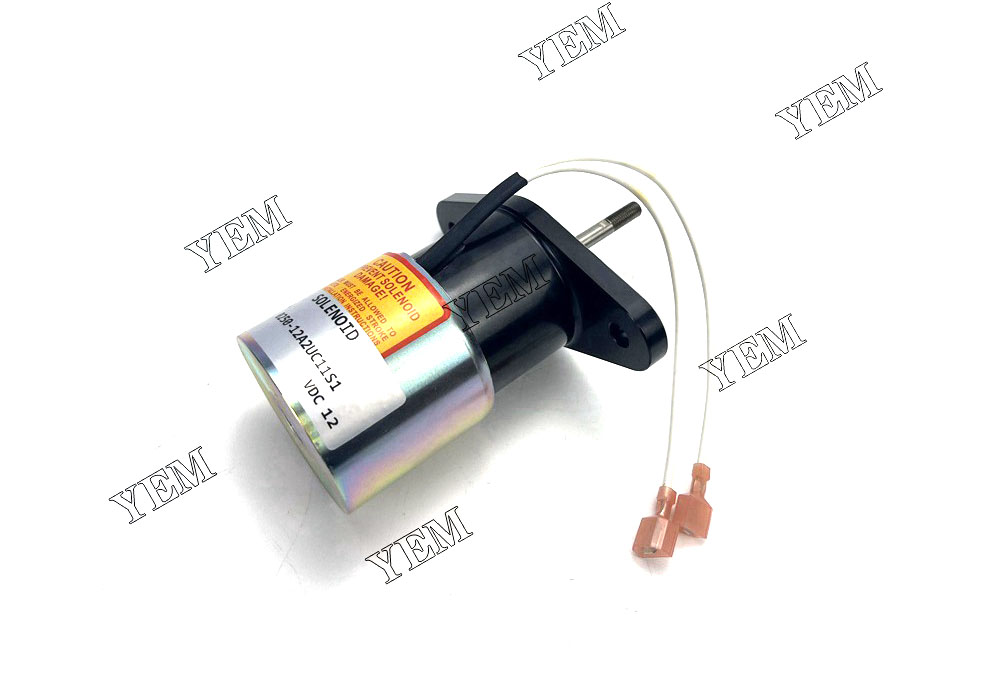
Solenoid valve selection and application considerations
When selecting a solenoid valve and applying it to a specific system, the following are some considerations:
- Flow and pressure requirements: understand the flow and pressure range required by the system, and ensure that the selected solenoid valve can meet the requirements of the system. According to the system parameters, select the appropriate flow coefficient (Cv value) and rated pressure range.
- Working medium and temperature: understand the nature of the working medium (liquid, gas, etc.) and temperature range. Solenoid valve materials and seals are selected so that they are compatible with the operating medium and function properly within the required temperature range.
- Power supply voltage and current: Determine the power supply voltage and frequency of the system, and select the solenoid valve with the corresponding voltage. Make sure that the rated current of the solenoid valve is within the range of the power supply being used.
- Movement speed and response time: Select the appropriate solenoid valve according to the system’s response speed requirements for the valve. In general, direct-acting solenoid valves respond faster, while diaphragm solenoid valves respond slower.
- Life and reliability: Understand the life and reliability indicators of solenoid valves, and choose brands and models with longer life and good reliability.
- Convenience of installation and maintenance: Consider the convenience of installation and maintenance of the solenoid valve, including its size, interface and easy-to-operate design.
- Compliance with standards and certifications: Ensure that the selected solenoid valves comply with the corresponding international or industry standards and have the necessary certifications and compliance.
When applying solenoid valves, operate in strict accordance with the manufacturer’s installation and use instructions, and regularly maintain and inspect the solenoid valve to ensure its normal operation and reliability. If necessary, consult a professional technician for more accurate advice and support.
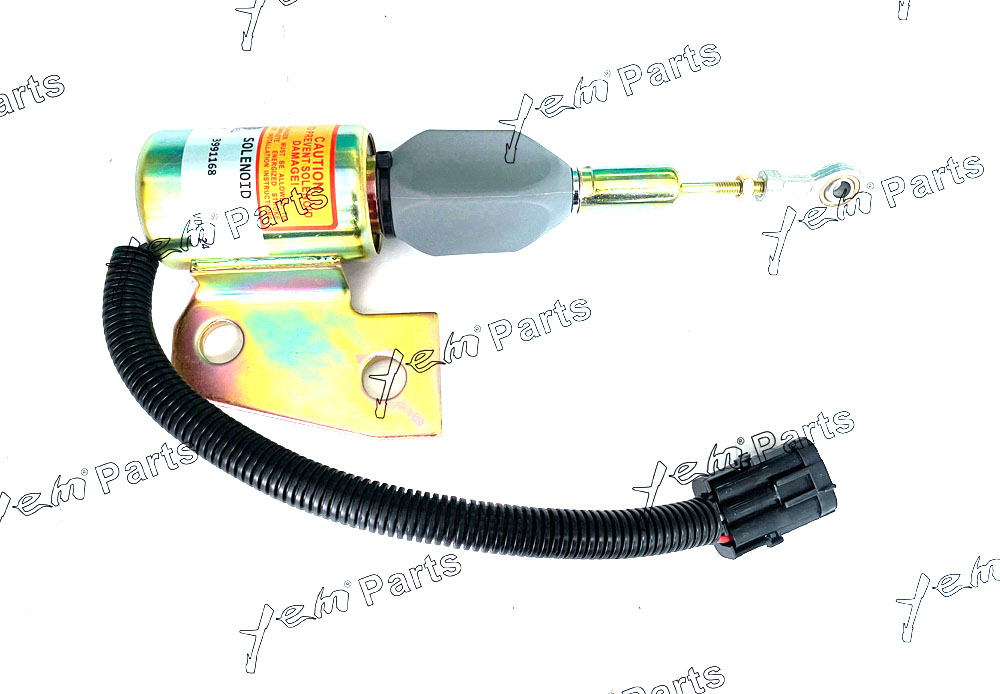
Development Trend of Solenoid Valve
As a control element, solenoid valves play an important role in various fields. With the continuous advancement of technology and changes in demand, the development trend of solenoid valves includes the following aspects:
- Intelligent: With the development of Internet of Things technology, solenoid valves will become more and more intelligent. Solenoid valves will be connected with sensors, control systems and other equipment to realize automation, remote monitoring and intelligent control.
- Energy saving and environmental protection: The demand for energy saving and environmental protection of solenoid valves is increasing day by day. Future solenoid valves will pay more attention to energy efficiency optimization and environmental friendliness, and reduce energy consumption and waste emissions through improved design and adoption of energy-saving materials.
- Miniaturization and integration: As the volume of equipment continues to shrink, solenoid valves also tend to be miniaturized and integrated. Future solenoid valves will be more compact, easy to install and layout, while integrating more functions and control circuits.
- High performance and high reliability: The application of solenoid valves in industrial automation and key fields requires higher performance and reliability. In the future, solenoid valves will continue to increase the flow rate and pressure range, and have a longer life cycle to meet the requirements of complex working conditions.
- Innovation of materials and coating technology: The application of new materials and coating technology will improve the wear resistance, corrosion resistance and sealing performance of solenoid valves, and increase the service life and reliability of solenoid valves.
Generally speaking, the future development trend of solenoid valves will focus on intelligence, energy saving and environmental protection, miniaturization and integration, high performance and high reliability to meet the ever-changing and upgrading market demands.
Contact us
Our YEM team comprises a skilled and passionate group of engineers and technicians specializing in excavator parts. With years of experience in the industry, we are dedicated to delivering top-quality excavator accessories and comprehensive solutions tailored to meet our customers’ needs.
We pride ourselves on our profound understanding of excavators, their working principles, and the functionalities of accessories. This enables us to provide accurate and professional recommendations to our customers. In collaboration with renowned excavator parts manufacturers and suppliers, we ensure the products we offer are of exceptional quality and reliability.
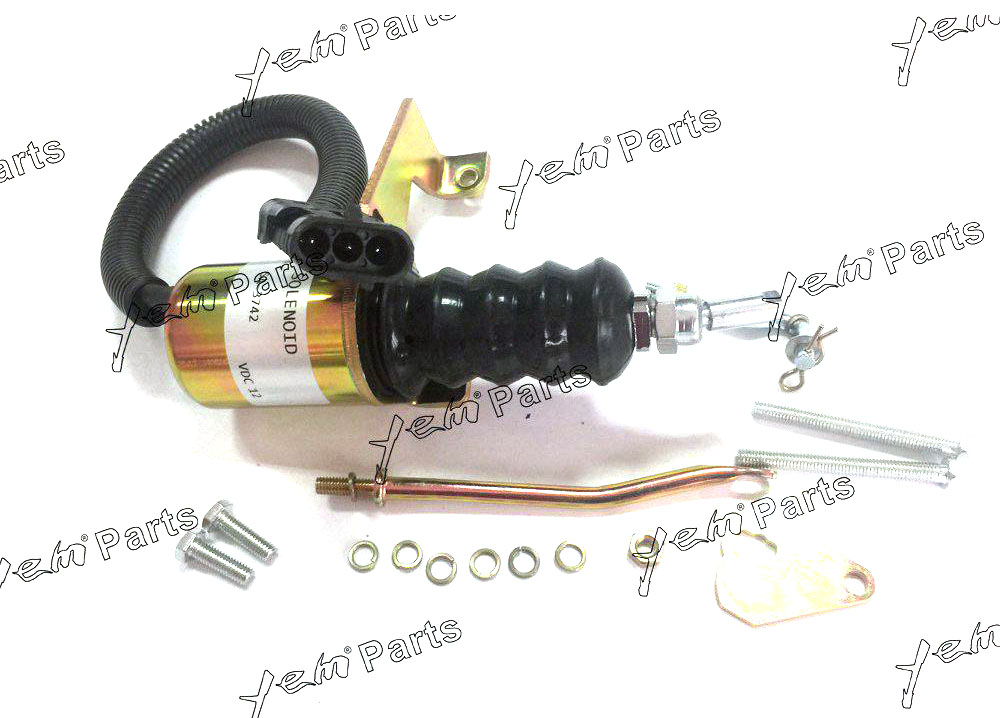
Our expertise covers all types and brands of excavators. Whether it’s replacing a damaged excavator accessory or upgrading the excavator’s function and performance, our team can provide a comprehensive solution. We consider customers’ requirements and budget to provide the most suitable accessory options while ensuring smooth installation and maintenance processes.
Beyond supplying excavator accessories, our services encompass transportation, installation, repairs, and after-sales support. Customer satisfaction is our utmost priority, and we strive to deliver outstanding service and the best solutions.
Thank you for your interest in the YEM excavator parts team. Should you have any inquiries or requirements, please do not hesitate to contact us. We look forward to providing you with high-quality excavator accessories and professional technical support.