
The function and function of engine connecting rod
The engine connecting rod (or crankshaft connecting rod) is an important part of the internal combustion engine, which has the following functions and functions:
- Connecting the piston to the crankshaft: The engine connecting rod connects the piston to the crankshaft. When the piston moves up and down in the cylinder, the reciprocating motion of the piston is converted into the rotary motion of the crankshaft through the connection of the connecting rod.
- Converting motion form: The role of the engine connecting rod is to convert the reciprocating linear motion of the piston into the rotary motion of the crankshaft. This conversion allows the explosion pressure in the combustion chamber to be efficiently converted into torque that turns the crankshaft, thereby propelling the vehicle forward.
- Balance force: The connecting rod can help balance the inertial force and centrifugal force generated when the engine is running. Through the connection with the crankshaft, it balances the inertia force and yaw force of the piston during the movement, so as to reduce the vibration and vibration of the engine and improve the stability of the engine.
- Adjust the ratio of the connecting rod: the length and ratio of the connecting rod can be adjusted according to the specific design requirements. By changing the length of the connecting rod, the stroke of the piston and the rotation angle of the crankshaft can be adjusted, thereby affecting the cylinder volume, compression ratio and power output of the engine.
In general, the engine connecting rod plays a key role in converting piston motion into crankshaft rotation in an internal combustion engine. At the same time, functions such as balancing forces and adjusting ratios also enable the engine to work efficiently and stably.
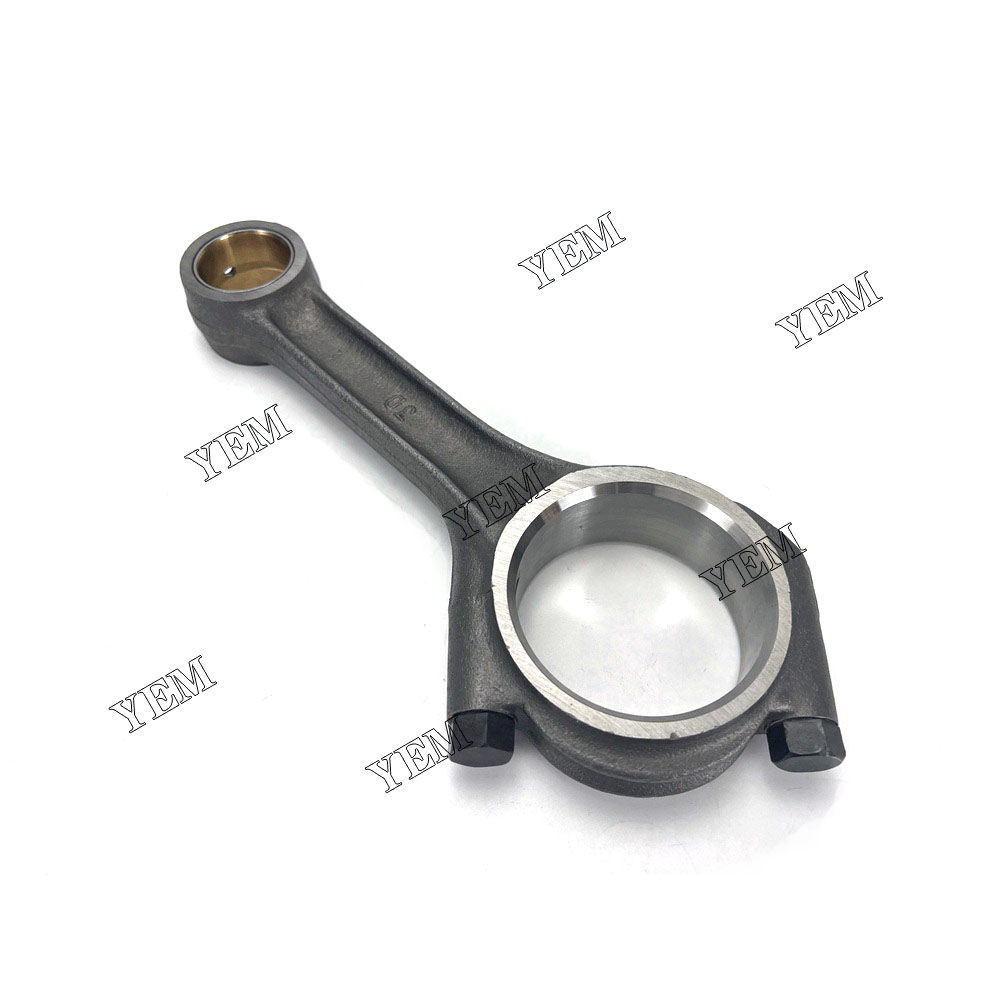
Structure and Construction of Engine Connecting Rods
The structure and construction of the engine connecting rod usually consists of the following main parts:
- Big end (upper end): The big end is connected to the piston pin, and the piston is fixed through the pin hole.
- Small end (lower end): The small end is connected to the crank pin and fixes the crankshaft through the pin hole.
- Link body: The link body is the part that connects the big end and the small end. It usually has an H-shaped or I-shaped section to provide sufficient strength and rigidity to withstand the forces and stresses of the engine running.
- Connecting rod bolts: Connecting rod bolts are used to tightly connect the big end and small end of the connecting rod with the piston pin and crank pin. Bolts are usually made of high-strength steel with proper threading and fastening to ensure a reliable connection.
- Connecting rod bearings: The connecting rod bearings are located in the inner bores of the big and small ends of the connecting rod and provide the frictional surface that contacts the crankshaft. Connecting rod bearings are usually made of wear-resistant materials and coated with a lubricating oil film to reduce friction and wear.
- Connecting rod pin: The connecting rod pin is the key component connecting the big end and the small end. They are embedded in the connecting rod and piston or crankshaft through pin holes, providing a reliable connection and rotation.
- Connecting rod heavy metal block: Some engine connecting rods are equipped with heavy metal blocks (usually tungsten alloy) on the connecting rod body, which are used to increase the mass and inertia of the connecting rod to balance the force during rotation.
These parts together constitute the structure of the connecting rod of the engine. Its design and manufacture need to take factors such as strength, rigidity, weight and friction into account to ensure that the connecting rod can withstand various forces and stresses at high temperature, high pressure and high speed operation, while providing Stable and reliable operation.
How the engine connecting rod works
The working principle of the engine connecting rod can be briefly described as follows:
- Celsius stroke: The engine connecting rod moves the piston upward during the intake and compression strokes. In the process, the connecting rod converts the motion of the piston into the rotational motion of the crankshaft. The big end of the connecting rod is connected to the piston pin, and the piston pin is connected to the crankpin at the small end of the connecting rod. As the piston moves up, the connecting rod turns the crankshaft.
- Deflagration stroke: During the combustion stroke, the piston is pushed downward by the deflagration gas. Connecting rods convert this linear motion into rotational motion of the crankshaft. The downward movement of the piston causes the connecting rod to swing downward, which turns the crankshaft.
- Exhaust stroke: During the exhaust stroke, the crankshaft continues to rotate, pushing the piston up to expel exhaust gases. The connecting rod again converts the linear motion of the piston into the rotary motion of the crankshaft.
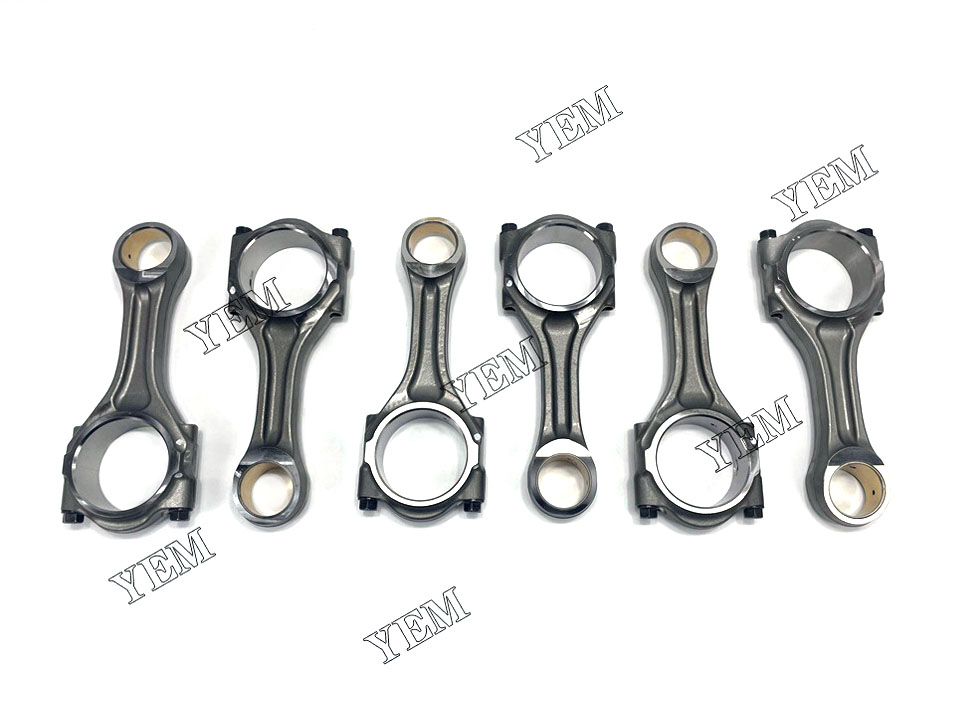
Through the working principle of this connecting rod, the reciprocating motion of the piston is converted into the rotary motion of the crankshaft. This rotational motion provides the torque and power required by the engine to propel the vehicle. The design and location of the connecting rod also has some influence on the efficiency, balance and vibration of the engine, so the parameters and configuration of the connecting rod need to be carefully considered in the engine design.
Engine connecting rod manufacturing process
The manufacture of engine connecting rods usually goes through the following main process steps:
- Material selection: The connecting rod is usually made of high-strength alloy steel or aluminum alloy to meet the requirements for strength and durability.
- Rough machining: At the beginning, the original shape of the connecting rod is usually a solid casting or forging. These original workpieces need to be roughed, such as sawing, milling, etc., to ensure that the design size and shape are achieved.
- Drilling and boring: There are usually some key holes and oil passages on the connecting rod, which are used for the installation of connecting rod bolts, the flow of lubricating oil, etc. These holes and grooves need to be machined by processes such as drilling and boring.
- Precision machining: The connecting rod requires multiple precision machining to achieve higher precision and surface quality. These include the following processes:
- Turning: Use a lathe to process the outer contour of the connecting rod to meet the design requirements.
- Grinding: Grinding is used to further improve the dimensional accuracy and surface finish of the connecting rod.
- Mirror Polish: For some high performance engines, connecting rods need to be mirror polished to improve surface smoothness and reduce friction and wear.
- Heat treatment: Connecting rods usually require heat treatment to increase their strength and hardness. The most common heat treatment method is quenching and tempering, which changes the structure of the material by controlling the heating and cooling process.
- Balance: The connecting rod needs to be balanced during operation to reduce vibration and noise. Therefore, during the manufacturing process, a balance correction is made to the connecting rod, usually by cutting or adding appropriate weights to achieve balance.
- Coating and lubrication: In order to reduce friction and wear, the surface of the connecting rod may be subjected to some coating treatment, such as chrome plating or special lubricant spraying.
- Assembly: Finally, after all necessary machining and handling, the connecting rod will be assembled with components such as piston pin and crank pin to form a complete engine connecting rod assembly.
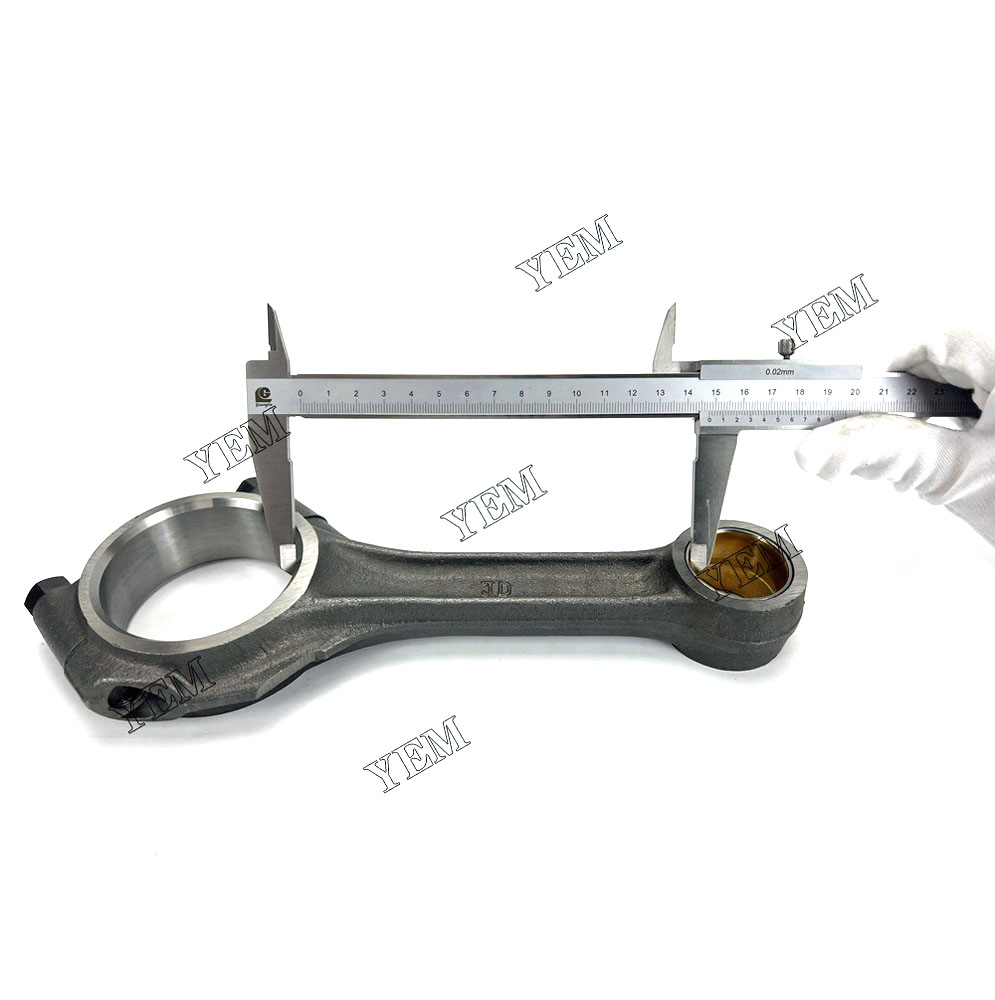
These process steps can vary according to the requirements of different engine types and manufacturers, but in general, these steps cover the main manufacturing process of engine connecting rods.
Engine connecting rod failure and maintenance
The engine connecting rod is one of the important parts of the engine. It connects the piston and the crankshaft, and converts the reciprocating linear motion of the piston into the rotary motion of the crankshaft. Subject to high-intensity and high-frequency operating conditions, engine connecting rods may be subject to failure and maintenance.
- Cause of failure:
- Excessive wear: Prolonged use or improper lubrication lead to wear on the connecting rod surface, thereby affecting its function.
- Fatigue fracture: Under high load and high speed conditions, fatigue fracture of the connecting rod may occur.
- Rust and Corrosion: Moisture and improper protection can cause the connecting rod to rust and corrode, reducing its strength and durability.
- Unbalanced loads: Unbalanced loads on the connecting rod or external impacts can cause the connecting rod to deform or break.
- Symptoms of failure:
- Engine Noise: When there is a problem with the connecting rod, you may hear knocking, rattling, or metal rubbing.
- Engine vibration: An unbalanced or broken connecting rod may cause engine vibration.
- Reduced engine performance: Connecting rod failure can result in reduced engine performance, including loss of power, lack of acceleration, and low oil pressure.
- Maintenance and Repair:
- Regular oil and filter changes: Regular oil and filter changes can maintain good lubrication inside the engine and reduce the risk of connecting rod wear.
- Regulate driving habits: avoid driving at low speed or high load, which helps to reduce the workload of the connecting rod.
- Take care to keep the cooling system running properly: Make sure the cooling system is running properly to prevent the connecting rod from overheating.
- Find and solve problems in time: Once any abnormal signs related to connecting rods are found, such as noise or vibration, they should be checked and repaired in time.
It should be noted that if the engine connecting rod fails, it is recommended to seek professional auto maintenance technicians for inspection and repair. They have the expertise and experience to more accurately diagnose problems and take appropriate repair actions.
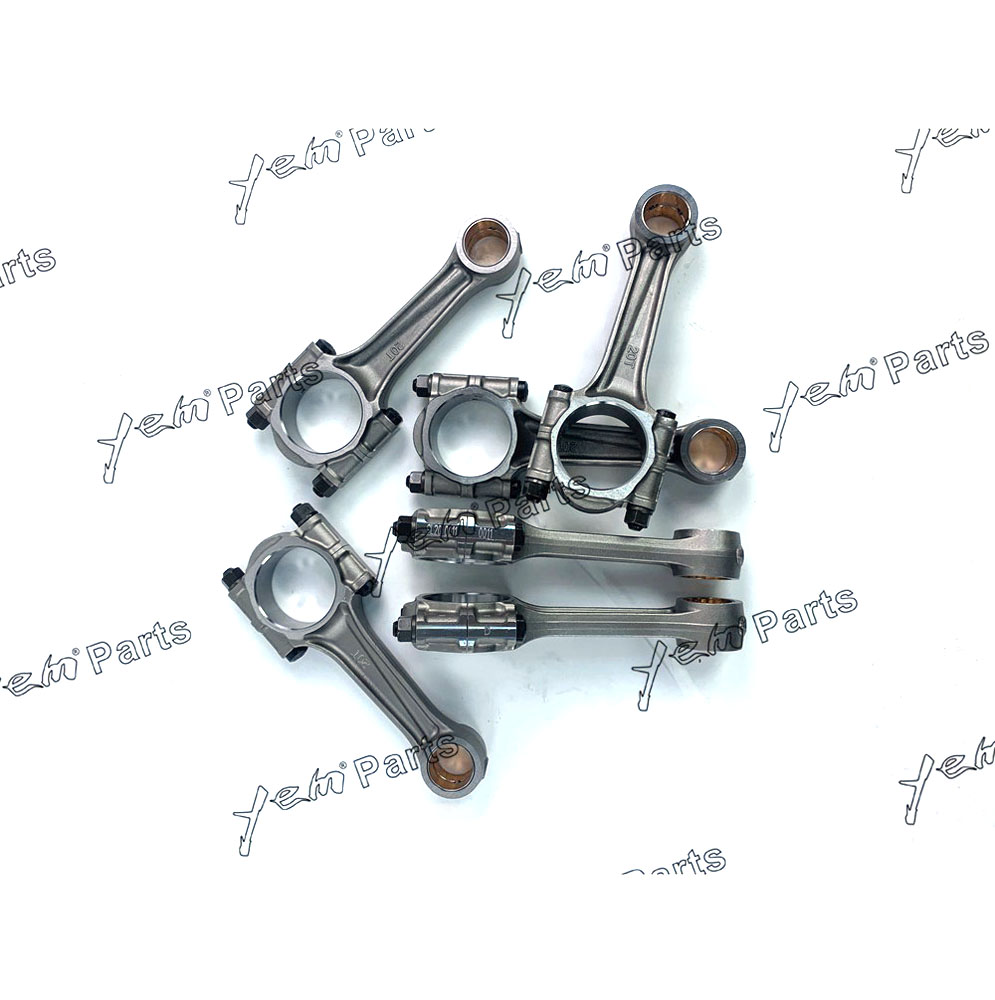
Improvements and new technologies in engine connecting rods
There are many improvements and new technologies in engine connecting rods, the following are some common examples:
- Lightweight materials: Using high-strength and lightweight materials (such as titanium alloys and composite materials) to manufacture connecting rods can reduce the weight of the entire engine and improve power density and fuel efficiency.
- Improvement of processing technology: The use of advanced processing technology, such as CNC machine tools and laser processing, can improve the manufacturing accuracy and strength of connecting rods, reduce material waste, and improve production efficiency.
- Coating technology: By applying coatings on the surface of the connecting rod, such as ceramic coating or lubricating coating, friction and wear can be reduced, and the life and operating efficiency of the connecting rod can be improved.
- Optimization of connecting rod design: By changing the structure and shape of the connecting rod and optimizing the stiffness, weight and dynamic characteristics of the connecting rod, the response speed and reliability of the engine can be improved.
- Magneto-rheological technology: Using magnetorheological materials to manufacture connecting rods, the stiffness and damping characteristics of the connecting rods can be adjusted by changing the strength of the magnetic field to meet the needs of different working conditions.
- Integrated sensors: Integrated sensors on the connecting rod can monitor the operating status and health of the connecting rod in real time, discover potential faults in advance, and perform preventive maintenance.
These improvements and the application of new technologies can increase engine performance, efficiency and reliability while reducing emissions and energy consumption. However, please note that recent developments may be outside my scope as my knowledge is as of 2021.
Contact us
Thank you for contacting our YEM team. We greatly value your interest and are dedicated to providing outstanding service and support to all our customers. If you have any questions or need assistance, please don’t hesitate to reach out through the following communication channels:
We are here to assist you and eagerly look forward to answering any inquiries you may have.