
Engine Assembly Installation Guide and Maintenance Suggestions
Engine assembly structure
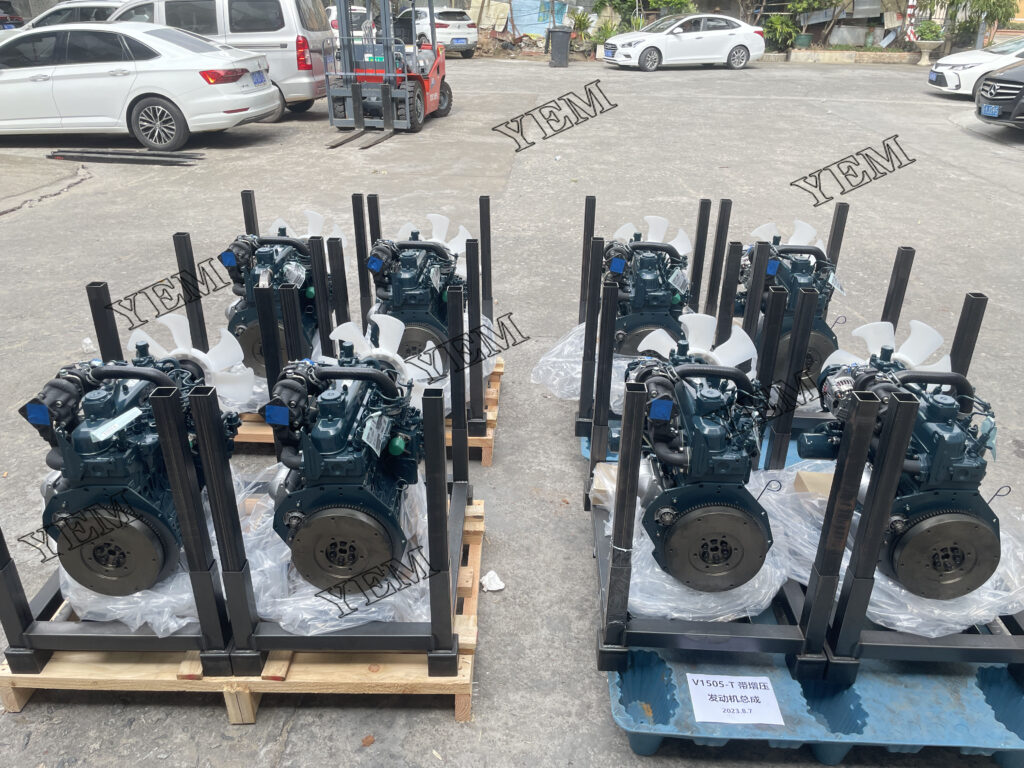
Engine assembly refers to a complete engine unit composed of multiple components, which is used to generate power and drive a vehicle or mechanical equipment. The following is a typical internal combustion engine assembly summary:
- Cylinder block and head: The basic frame of the engine consists of the cylinder and the piston movement. The cylinder block is usually cast iron or aluminum alloy, and the cylinder head sits on top of the block and closes the cylinder.
- Piston and connecting rod: The piston is a part that moves up and down in the cylinder and is connected to the crankshaft through the connecting rod. Gas or fuel is mixed under pressure inside the combustion chamber and the energy is transferred to the connecting rod, which is converted into rotational motion of the crankshaft.
- Crankshaft and Crankcase: The crankshaft is the key component in the engine assembly, which converts the linear motion of the rod into rotary motion. The crankcase is the support structure for the crankshaft and also contains oil to lubricate the various parts of the engine.
- Valves and valvetrain: The valves control the intake and exhaust processes, allowing the mixture in and out of the combustion chamber. The valve mechanism includes camshaft, valve spring and gas lifter, etc., which are used to control the opening and closing timing and amplitude of the valve.
- Fuel system: The fuel system is responsible for supplying fuel to the engine for combustion. It includes the fuel pump injector, fuel filter and fuel pressure regulator assembly.
- Ignition system: The ignition system generates high-voltage current to ignite the mixed gas in the combustion chamber. It includes components such as ignition coils, spark and ignition control modules.
- Cooling system: The cooling system controls the temperature of the engine by circulating a coolant (usually water) to prevent overheating. It includes components such as water pumps, radiators, fans, and coolant.
- Lubrication system: The lubrication system provides lubricating oil to reduce friction and wear between the various moving parts of the engine. It includes components such as oil pump, oil cooler, oil cooler and oil pan.
- Intake and exhaust system: the air system is responsible for introducing air into the combustion chamber, while the exhaust system discharges the waste generated by combustion
Engine assembly installation steps
Installing the engine assembly requires certain professional knowledge and experience, the following are the general steps:
- Prep: Make sure the work area is clean and ready with the required tools and equipment. At the same time, check whether the engine and related parts are intact.
- Install supporting equipment: use appropriate supporting equipment (such as engine hanger) to hang the engine assembly in the correct position. Make sure the supports are secure to prevent the engine from falling or moving.
- Connect the transmission system: connect the transmission clutch with the engine assembly, which may involve components such as the transmission shaft, coupling clutch pressure plate, etc. Make sure the connections are secure and aligned correctly.
- Install the cooling system: connect the relevant pipes and radiators of the cooling system. Make sure there are no air bubbles in the cooling system and check that the pipes and connections are tight.
- Connect the fuel system: install the fuel pump, fuel injectors and fuel pipes. Make sure there are no leaks in the fuel system and check that connections are tight.
- Install the electrical system to connect the electrical system of the engine, including the starter, power generation, ignition system, etc. Make sure electrical connections are correct and tight.
- Install auxiliary equipment: Install engine accessories, air-conditioning compressors, power steering pumps, generator drive belts, etc. as required.
- Connect the exhaust system: Install the exhaust pipe and muffler, make sure there are no leaks in the exhaust system, and check that the connections are tight.
- Check the lubricating system to ensure that there is sufficient oil in the engine lubricating system, and check whether the oil is unobstructed.
- Final inspection: Before starting the engine, carefully check that all connections and pipes are tight, and make sure there is nothing missing or wrong.
Note that this is only an overview of the general installation process, and specific steps may vary for different engine models and vehicle types. For those who have no relevant experience, it is best to seek help from professional technicians or consult our installation guide!
How to choose engine assembly
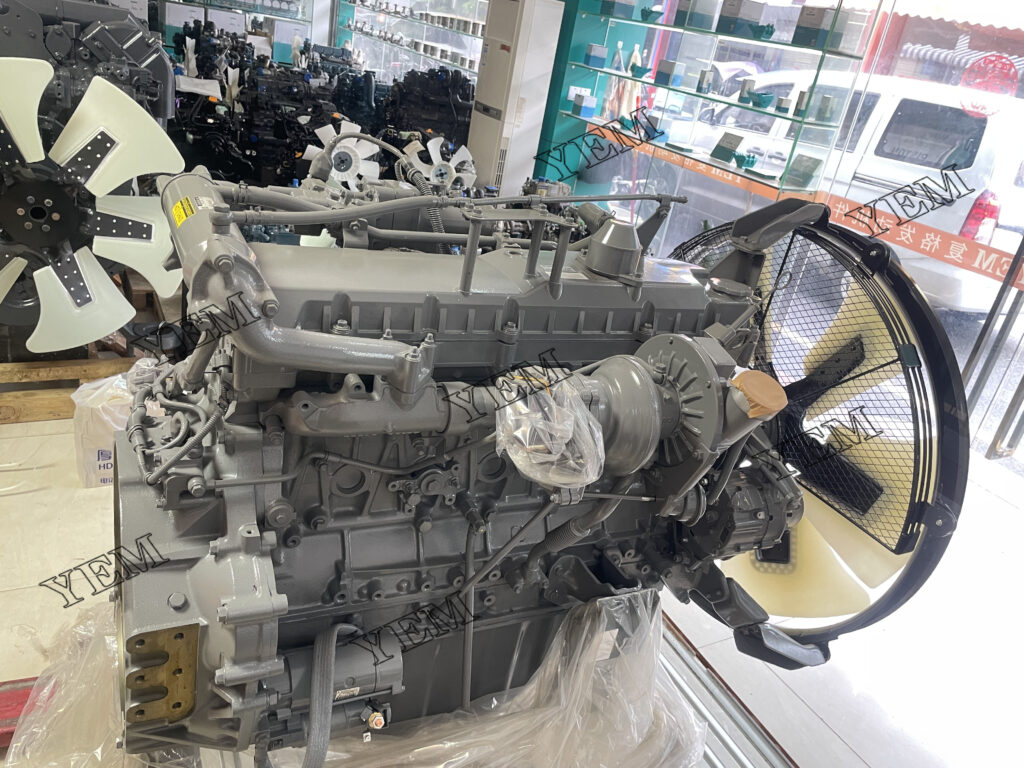
Selecting a suitable Complete Engine Assembly (engine assembly) needs to consider the following factors:
- Vehicle make and model: First, identify your vehicle make and model. Different car manufacturers use different types and gauges of engines. Make sure to choose the engine that is compatible with your vehicle.
- Engine type: Select the appropriate engine type according to your needs and preferences. Common engine types include gasoline engines, diesel engines and hybrid engines. Each type has its advantages and applicable scenarios.
- Power and torque requirements: Consider your power and torque requirements for the motor. It depends on your driving habits, driving conditions and desired level of performance In general, more power and torque means stronger acceleration and better traction.
- Fuel economy: If you pay attention to fuel economy, you can choose an engine with higher oil efficiency, which will help you save fuel costs and reduce environmental impact.
- Reliability and Durability: Engine reliability and durability are important considerations. Look at the engine manufacturer’s reputation and quality record to ensure you choose a reliable and durable drivetrain.
- Budget: Finally, consider your budget limits. Total engine prices vary by model, make and specification to ensure you choose the right engine within your budget.
In order to make the best choice, we recommend our professional YEM accessories team, we can provide more detailed suggestions according to your specific requirements and vehicles!
How to maintain the engine assembly after installation
The maintenance of the engine assembly after installation is very important, here are some suggestions:
- Oil Change: Regular engine oil and filter changes are key to keeping your engine running properly. Change the engine oil and filter at the specified mileage intervals according to the manufacturer’s recommendations.
- Cooling system maintenance: Make sure that the coolant in the cooling system is maintained at an appropriate level, and regularly check the amount and concentration of the coolant. Replace cooling in a timely manner if necessary.
- Air filter replacement: The cleaning and replacement of the air filter is crucial to the normal operation of the engine. Check the condition of the air filter regularly and clean or replace as necessary.
- Ignition system maintenance Keeping the ignition system in good condition can improve fuel efficiency and fuel economy. Regularly check and replace the glow plug, and ensure the normal operation of the ignition ring and other ignition system groups.
- Fuel system maintenance: check the state of the fuel filter regularly and replace it if necessary. Also, keep the fuel tank clear and avoid low-quality oil.
- Regularly check the belt transmission system: check the wear degree of the engine belt regularly and replace it if necessary. At the same time, ensure the normal operation of the transmission system, including the clutch, transmission and transmission shaft.
- Pay attention to abnormal noise and vibration: If the engine exhibits abnormal noise or vibration, check and repair the problem immediately. These problems could be signs of engine component wear or other malfunctions.
- Regular maintenance and inspection Regularly send the vehicle to professional technicians for maintenance and inspection. They can conduct a comprehensive inspection of the engine assembly, keep it running properly and detect potential problems in a timely manner.
Engine assembly installation precautions
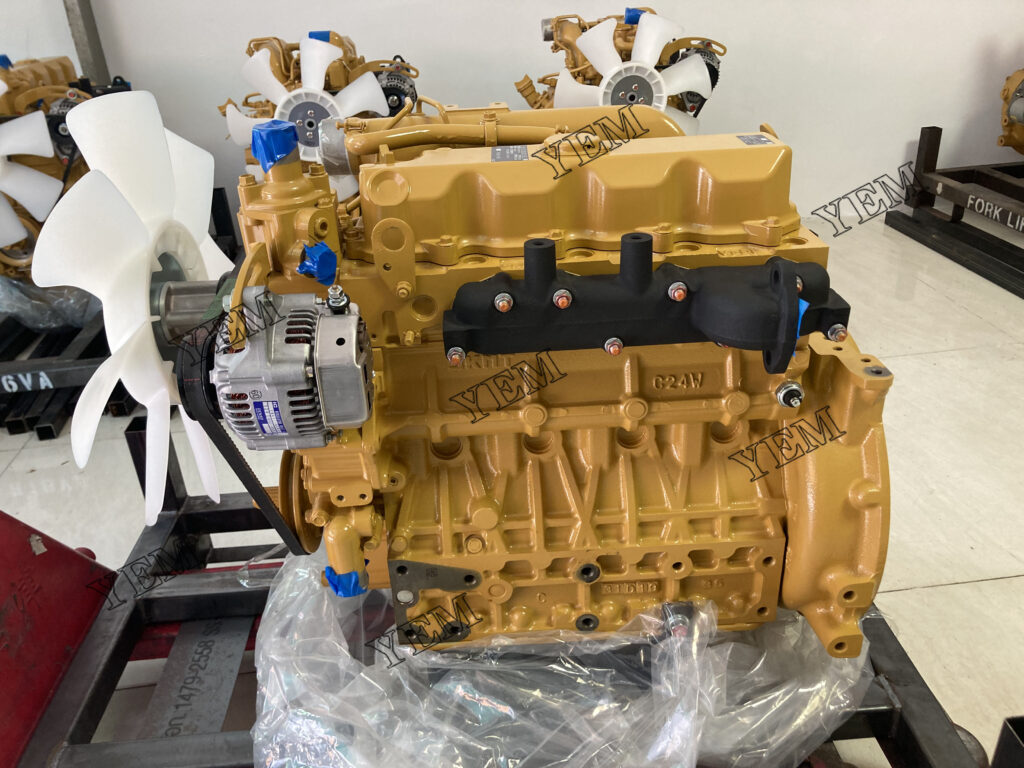
There are a few things to keep in mind when doing engine assembly installation:
- Cleaning and inspection: Before starting the installation, ensure that all parts of the engine assembly are clean and carry out necessary inspections. Remove any dirt, oil or other impurities to ensure that nothing undesirable is introduced during the installation.
- Use Proper Tools: Use proper tools and equipment for engine assembly installation. Make sure you have the correct torque hand, bolts and nuts etc. to properly assemble and tighten the engine assembly components.
- Follow manufacturer’s instructions: Refer to the engine manufacturer for installation guidelines and instructions. These guidelines will provide detailed steps and sequences to ensure proper engine assembly installation.
- Lubrication During installation, ensure proper lubrication of key engine assembly components such as pistons, crankshaft and camshaft. Use recommended lubricants and follow manufacturer’s recommendations.
- Tightening sequence: Tighten the engine assembly components in the correct sequence according to the manufacturer’s instructions. This will ensure correct tightening force and even distribution to avoid any leakage or damage.
- Calibration and adjustment: After the installation is complete, carry out the necessary calibration and adjustment according to the manufacturer’s instructions. This may involve adjustments to the point system, fuel system or other critical components to ensure the proper functioning of the engine assembly.
- Carry out tests: After the installation is complete, carry out the necessary tests and inspections to ensure the proper performance and function of the engine assembly. This may include stress testing, temperature testing or other relevant testing.
Contact us
Introducing Our Professional Excavator Parts Team
Welcome to YEM professional excavator parts team! We are a dedicated group of experts specializing in providing high-quality and reliable excavator parts for all your construction needs. With years of experience in the industry, we have established ourselves as a trusted supplier top-notch components for various excavator models.
team consists of skilled technicians, engineers, and customer service professionals who are committed to delivering exceptional service and ensuring customer satisfaction. We understand the importance of having reliable equipment the job site, and that’s why strive to offer a comprehensive range of excavator parts that meet the highest standards of quality and performance.
Whether you need replacement parts for routine maintenance or emergency repairs, our team is here to assist you. We work closely with leading manufacturers and suppliers to source genuine and OEM (Original Equipment Manufacturer) parts, ensuring compatibility and durability. From hydraulic cylinders and pumps to undercarriage components and attachments, we have a wide selection of excavator parts to cater to your specific requirements.
What sets us apart is our attention to detail and commitment to excellence. Our team conducts thorough inspections and quality checks on all parts to ensure they meet stringent industry standards. We also provide expert guidance and technical support to help you choose the right parts for your excavator model and application.
At our company, we prioritize customer satisfaction above all else. We strive to offer competitive pricing, prompt delivery, and excellent after-sales service. Our knowledgeable customer service representatives are available to answer any queries you may have and provide assistance throughout the purchasing process.
When it comes to excavator parts, trust our professional team to deliver the reliability and performance you need. Contact us today to discuss your requirements and experience the difference of working with a dedicated and experienced excavator parts team.